BIOLOGY THATCLEANS WATER &RESTORES ECOSYSTEMS.
Targeted microbial consortia that degrade complex organic contaminants, eliminate toxic sludge, and restore natural water quality without synthetic chemicals.
people still lacked safely managed sanitation in 2024.
WHO / UNICEF Joint Monitoring Programmecountries could report how much of their industrial wastewater is treated. The rest of the world has no reliable data.
UN-Water Global Status Reportof household wastewater worldwide was safely treated in 2020. Data on industrial wastewater is too thin for a global figure.
United Nations Sustainable Development Goal 6 ReportBiological treatment restores nature's self-cleansing capacity.
Three oxygen conditions, three kinds of microbial work.
Good treatment moves wastewater through zones with no oxygen, low oxygen and plenty of oxygen. Each zone favours different microbes, and each removes a different part of the pollution.
- Hydrolysis of complex organics
- Acidogenesis & methanogenesis
- Major sludge reduction
Denitrification converts nitrate to harmless N₂ gas
- Rapid polishing of organic matter
- Nitrification converts NH₄⁺ to NO₃⁻
- Odour elimination and clarification
DIFFERENT WASTES NEED DIFFERENT MICROBES
INDUSTRIAL
Priority · colour, toxic metals, compounds normal sludge can't handle
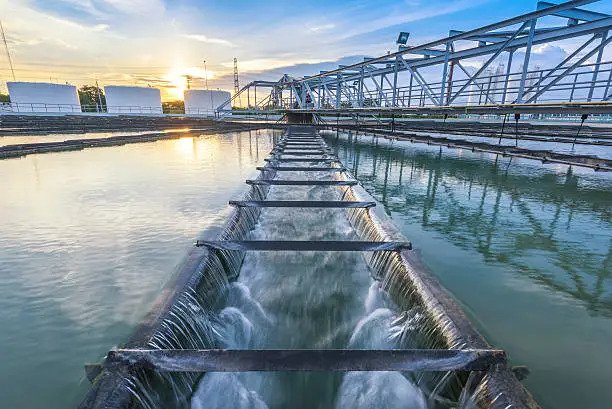
Specialist microbes for specialist pollutants.
Industrial effluents carry compounds that ordinary sewage bacteria rarely meet. Azo dyes make up about two-thirds of synthetic dyes, and an estimated 10–15% of dye produced is discarded into the environment. Tannery effluent can carry hexavalent chromium, which is toxic and carcinogenic.
Bacterial azoreductases split the azo bond without oxygen. An aerobic step then breaks down the aromatic amines this produces.
Chromium-resistant bacteria reduce toxic Cr(VI) to far less mobile and less toxic Cr(III).
Industrial wastewater is rarely uniform. Consortium design must account for fluctuating chemical oxygen demand, pH shocks, and recalcitrant dyes.
Rapid degradation of domestic and municipal sludge.
Septic systems and municipal treatment plants face high organic loads and persistent foul odours. Our biological solutions speed up breakdown and restore flow.
Powerful extracellular enzymes liquefy solid waste, reducing pumping frequency and clearing blockages.
Beneficial strains outcompete odour-causing anaerobes, eliminating volatile sulphur compounds and ammonia at the source.
Consistent dosing maintains high microbial population density, ensuring continuous digestion even under shock chemical inputs.
SEPTIC & WASTEWATER
Priority · sludge liquefaction, pathogen suppression, and permanent odour elimination
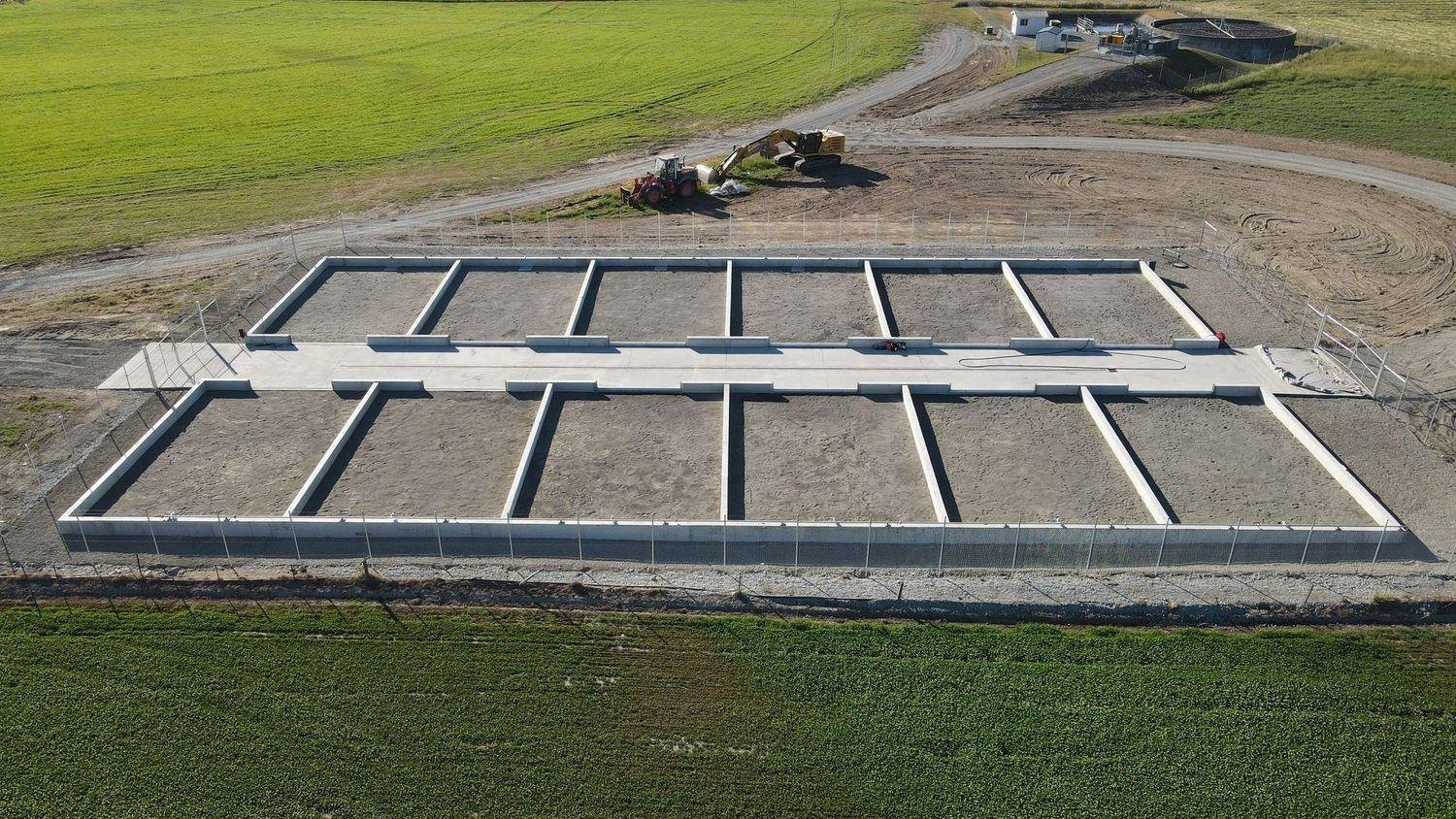
Clean water is not the absence of microbes. It is the right microbes, doing the work.
CHEMICAL INPUTS