

BIOLOGY THATFEEDS THERUMEN.
The cow feeds the rumen, and the rumen feeds the cow. Our targeted biological inputs support microbial fermentation, prevent subacute acidosis, and convert roughage into high-value milk and butterfat.
of milk was forecast to be produced worldwide in 2023. The largest producer, India, supplies about a quarter.
FAO Food Outlook 2023of a ruminant's energy intake is lost as methane during rumen fermentation.
Johnson & Johnson 1995; IPCC guidelinesof early- and mid-lactation dairy cows show subacute ruminal acidosis in surveys.
Garrett et al. 1997; Plaizier et al. 2008The cow feeds the rumen, and the rumen feeds the cow.
The rumen is a microbial factory with one customer.
Bacteria, protozoa, fungi and archaea in the rumen break down fibre and starch. What they produce feeds the animal. What they waste leaves as methane.
From the first week of life to peak lactation.
CALVES
Early-life gut colonisation & early rumen development.
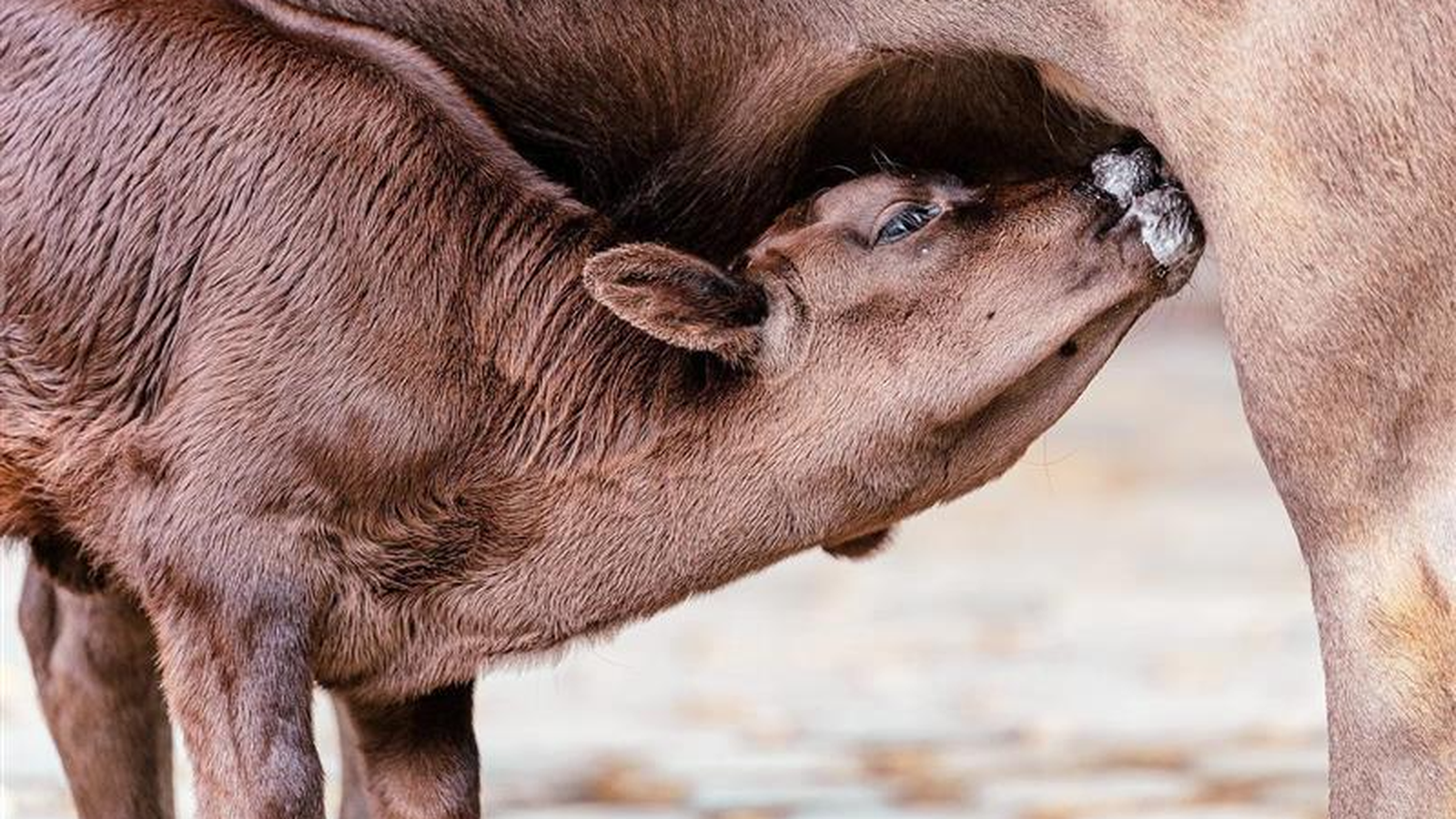
The first microbes to colonise the calf shape everything after.
Early-life gut colonisation & early rumen development.
Accelerated papillae growth allows calves to transition smoothly from milk to solid calf starter feeds.
Pre-emptive colonisation by beneficial flora reduces the incidence and severity of neonatal scours.
Establishing a vigorous microbial population before weaning sets adult milk yield potential permanently.
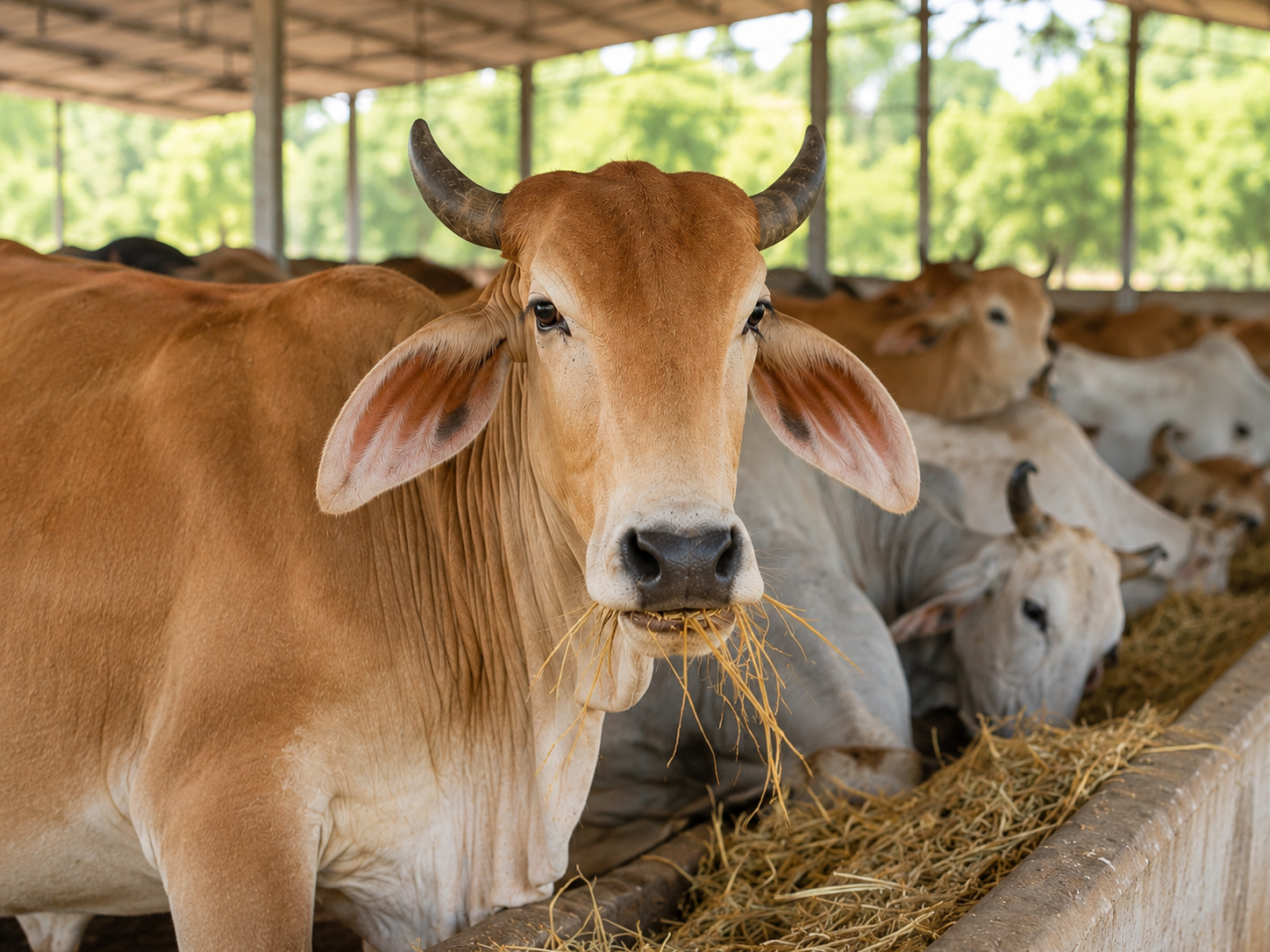
The critical weeks around calving.
The transition period (3 weeks pre-calving to 3 weeks post-calving) is the highest metabolic risk window in a dairy cow's life. Rapid diet changes, immune suppression, and energy deficits create severe ruminal dysbiosis if not actively managed.
Reduced incidence of subclinical ketosis and displaced abomasum by keeping ruminal pH stable.
1.2–1.8 kg higher daily dry matter intake during early lactation post-calving recovery.
Targeted biologicals reduce systemic inflammatory response after calving, redirecting energy from immune activation toward milk synthesis and rapid reproductive recovery.
TRANSITION
Periparturient metabolic balance & dry matter intake recovery.
LACTATION
Peak milk production & sustained feed efficiency.
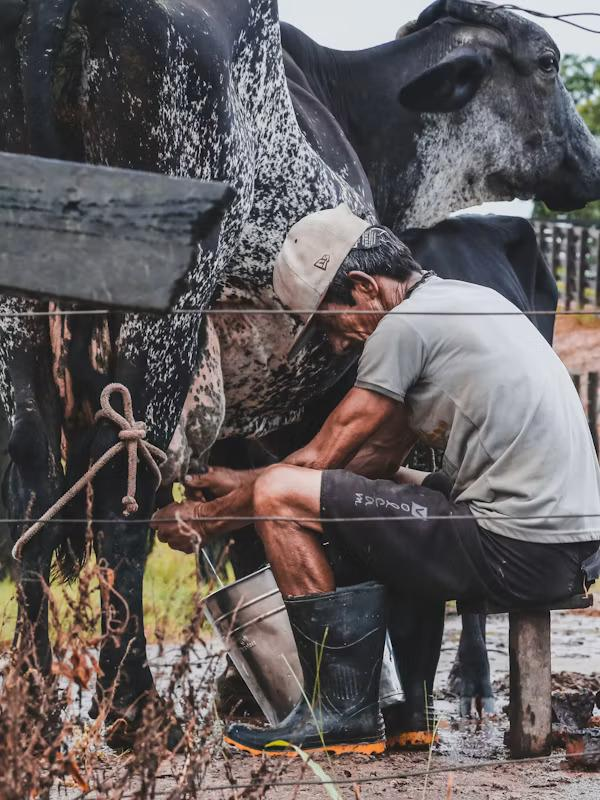
A more efficient rumen turns more food into milk.
During peak lactation, the cow's metabolic demand is extreme. Optimising the ratio of propionate to acetate in the rumen unlocks additional energy for milk fat and protein synthesis without increasing feed intake.
+1.4–2.2 L/hd/day increase in energy-corrected milk yield with improved fat and protein ratio.
4.8–6.5% improvement in overall herd feed efficiency across total lactation length.
Maintains peak milk yield for 3–5 weeks longer while reducing body condition loss during negative energy balance in early lactation.

Methane is feed energy the animal never uses.
Enteric methane from ruminants represents not only 14.5% of global human-induced greenhouse gas emissions, but also 2–12% of the gross feed energy the animal consumes without gaining any benefit.
Feed energy lost as enteric methane gas.
Of all livestock GHG emissions come from enteric fermentation.
Redirecting fermentation hydrogen from methanogenesis to propionate production saves energy for milk and meat.
Feed the microbes well, and they feed the animal.
CHEMICAL INPUTS