
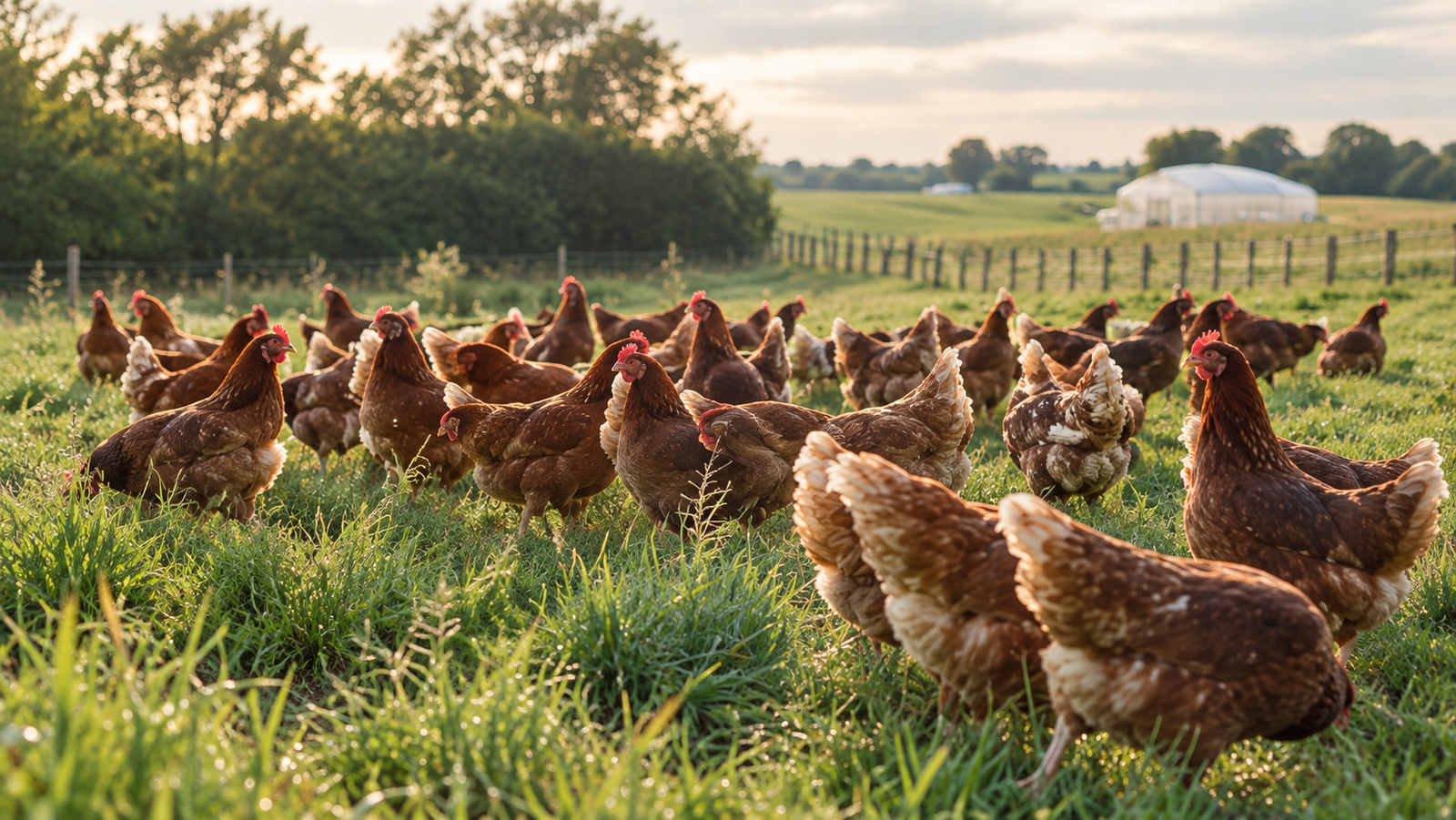
BIOLOGY THATPROTECTS THEFLOCK.
The gut is the bird’s largest barrier, immune organ, and engine for growth. Our microbial solutions stabilise the microbiome, enhance feed conversion, and replace prophylactic antibiotics.
Estimated yearly global cost of necrotic enteritis, a gut disease of broilers.
Wade & Keyburn 2015; industry estimatesThe EU banned all antibiotics as feed growth promoters. Other markets have followed, including India's 2019 ban on colistin for food animals.
EU Regulation 1831/2003; MoHFW India 2019of the phosphorus in corn and soybean meal is available to poultry. The rest passes through into the litter.
Poultry science nutrition reviewsBreeders, layers and broilers need different things from the gut.
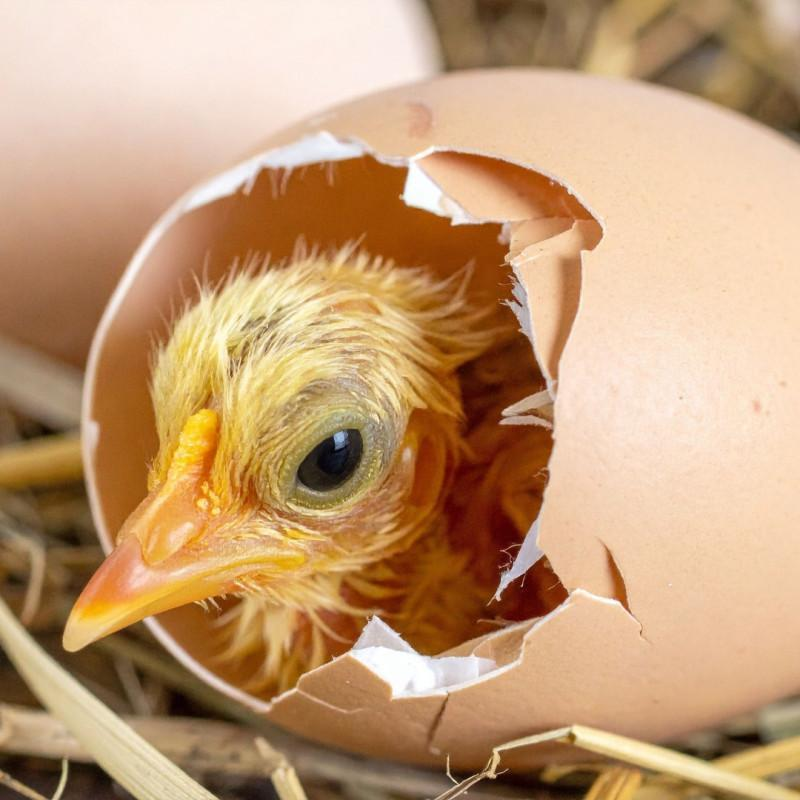
A breeder passes more than genes.
Breeder hens live longer and undergo distinct nutritional and physiological stages. A healthy gut ensures maternal antibody transfer, consistent eggshell quality, and vital microbial seeding to the next generation.
Maternal gut health directly influences eggshell cleanliness and uniform microbial colonization of day-old chicks.
Sustained immune priming ensures breeder hens remain productive throughout extended reproductive life.
Share of egg contents and embryos positive for Salmonella Enteritidis by day 18 of incubation
LAYERS
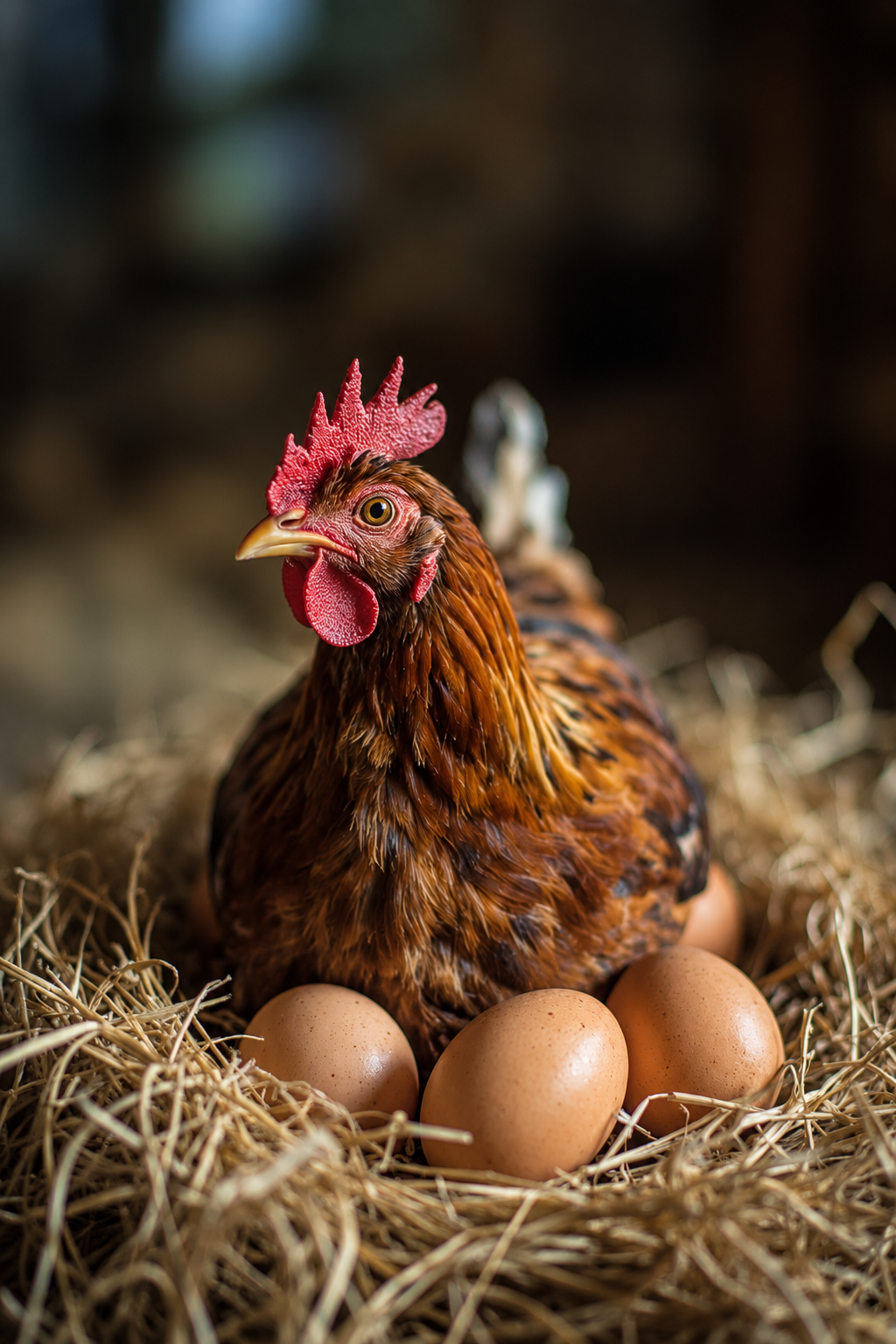
A long laying cycle needs a stable gut.
A laying hen produces for a year or more, and every egg draws heavily on calcium and phosphorus. A balanced gut community supports feed efficiency and mineral uptake across the whole cycle, and helps keep Salmonella out of the flock and off the eggs.
Enhanced mineral absorption directly improves shell thickness and breaking strength in late-stage layers.
Competitive exclusion by beneficial flora keeps zoonotic pathogens out of the flock and off the eggs.
Every egg draws heavily on mineral reserves; continuous probiotic support prevents depletion and sustained lay drop.
BROILERS
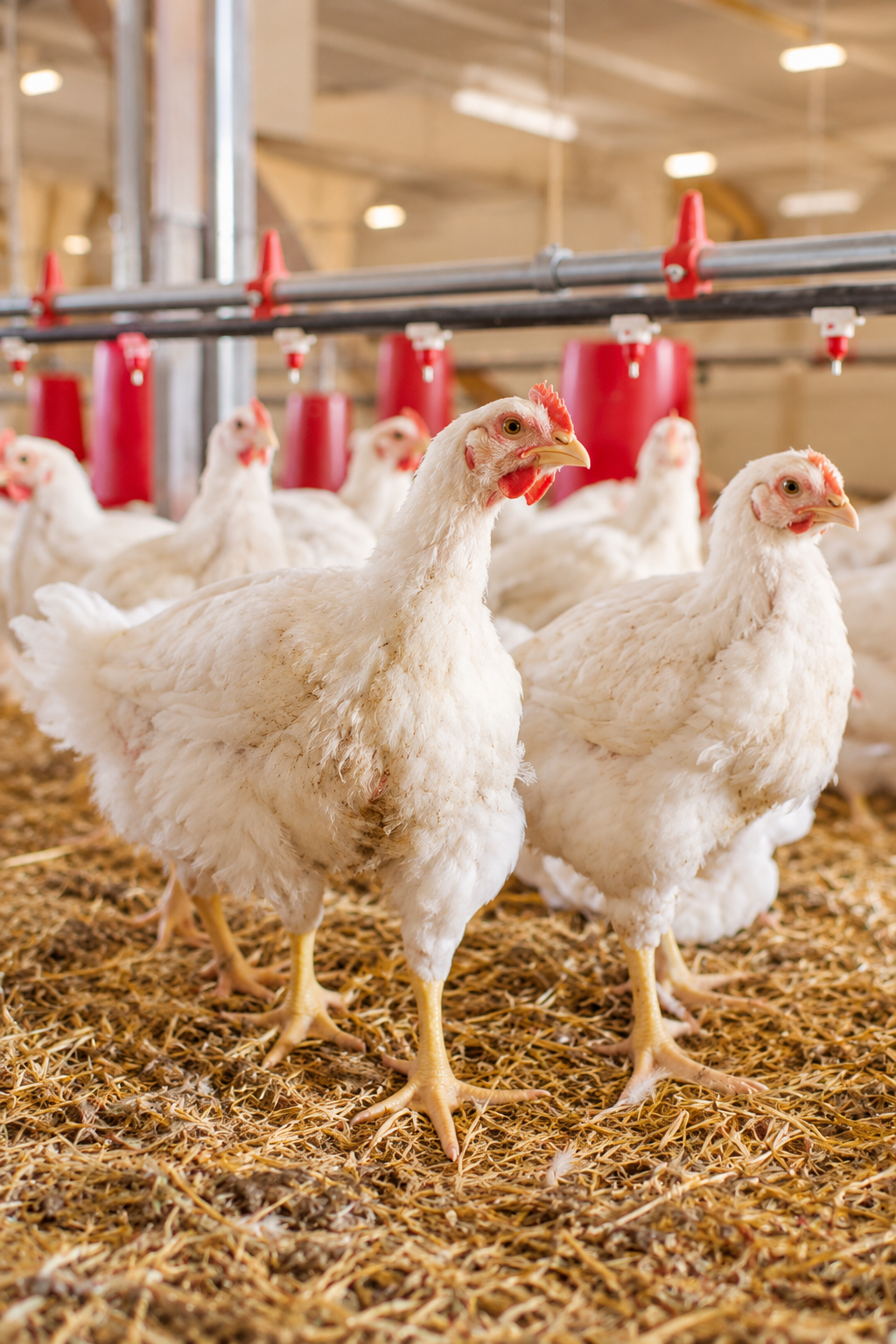
Fast growth depends on a gut that stays intact.
Broilers grow at astonishing rates. Every gram of weight gain depends on villi height, enzyme activity, and a healthy gut wall. Our probiotics colonise the young gut on day one, priming digestive capacity and shielding against Clostridium perfringens.
Probiotics improved daily gain and feed conversion across 60 broiler studies.
Bacillus subtilis reduced necrotic enteritis lesions as well as antibiotics did.
As effective as antibiotics on growth.
Across 28 controlled necrotic enteritis trials, B. subtilis matched in-feed antibiotics for body weight, daily gain, FCR and lesion scores. Antibiotics were still better at cutting mortality in severe outbreaks.
Feed the microbes well, and they feed the animal.
CHEMICAL INPUTS